
Plant Medicine Integration Circles:
Embodying All our Truths
More and more people in the Western world are becoming aware of the powerful—yet ancient— potential of psychedelic plant medicines for healing and spiritual expansion. Traditionally, these medicines were held within multi-generational community settings that provided the safety, understanding, and support necessary for this kind of work.
Today, they are often used outside of these contexts, leaving many people without the tools they need to enter, navigate and integrate their experiences well.
This matter goes beyond just using these substances outside their original cultural settings—and the dishonour, appropriation, or trivialisation that can accompany this. The deeper reality is that the modern, urban human psyche is shaped by very different conditions than those present in traditional cultures, which are often rooted in close community and a strong relationship with nature. Western minds are bringing a whole different set of psychic conditions to plant medicine work. It is unchartered territory.
Through both my own journey and witnessing the broader plant medicine community, I see a growing and urgent need for stronger, more thoughtful infrastructure around this work, infrastructure that is able to adequately support the modern human, and meet the times we are facing collectively.
These Circles serve 3 purposes:
Collective Listening & Learning:
We welcome brave souls to share their directly lived experiences, so that we can learn together:
✽ Deepen our understanding of how the different medicines work and affect us — physically, psychologically, and meta-physically.
✽ Learn through real examples of both good practice and harmful practice, including ceremonial conduct, as well as pre- and post-journey care.
✽ Create a safe sharing space for those currently in their integration process (whether recent or from years ago), as well as anyone who simply wishes to attend and learn about this work.
2. Collective Metabolism & Integration of Journey Experiences:
✽ Many people describe immense, other-worldly journey experiences that can be difficult to digest and meaningfully bring into everyday life. At one end, people can remain in a star-gazing position — “wow, that one time”. At the other, they close down around frightening visions or challenging processes. Without metabolism, these experiences remain stored deep in memory, locked away, perhaps resurfacing only superficially or years later, without ever truly becoming an understanding that can serve in daily life.
✽ The circle is intended to create a container where such experiences can be met, metabolised and grounded — a space where what has been buried or unresolved can surface and offer its teaching through a process not dissimilar to midwifery.
✽ From my own experience, a collective nervous system in regulation and genuine witness can create a larger digestive body, allowing more to move through. For this reason, people are welcome to attend simply to offer their presence as part of the holding field.
✽ It is important to say that the intention is not ultimately to force these experiences into neat stories of meaning that can be packaged and used as actionable insights. Meaning, stories and actionable insights are certainly valuable, but the deeper intention is to develop — together — a container capable of meeting the immensity of these embodied experiences, allowing them, through dedicated, repeated contact, to gradually reveal their truth.
3. Collective Language Creation & Infrastructure Building:
✽ Given the nature of plant medicine work, it can be difficult to find commensurate language to describe journey experiences. Some feel this is futile — that certain experiences lie beyond the bounds of language and must remain within the mystery. I hold a different view: that the process of contacting these deeply embodied memories and attempting to map, depict, and describe them — through metaphor, symbol, story, or even the creation of new language — is essential. This is vital and often arduous work for our collective healing. It allows greater understandings to enter the wider world, opening possibilities for change and helping us build the foundations for the infrastructure and institutions needed to better facilitate this work. As Ludwig Wittgenstein famously said, “The limits of my language mean the limits of my world.”
✽ The vision is that plant medicine work truly serves the genuine seeker — that people are not left feeling unsupported, misunderstood, alienated, or alone, and ultimately overwhelmed by experiences they cannot integrate into their lives.
✽ All sharings and lived testimonials will anonymously inform my ongoing personal research and work in designing sound structures, methods, and tools for screening, dosing, preparation, ceremonial practice, process, and post-care. It can be done and I believe it has to be done.
Grounding this Work in Zimbabwe
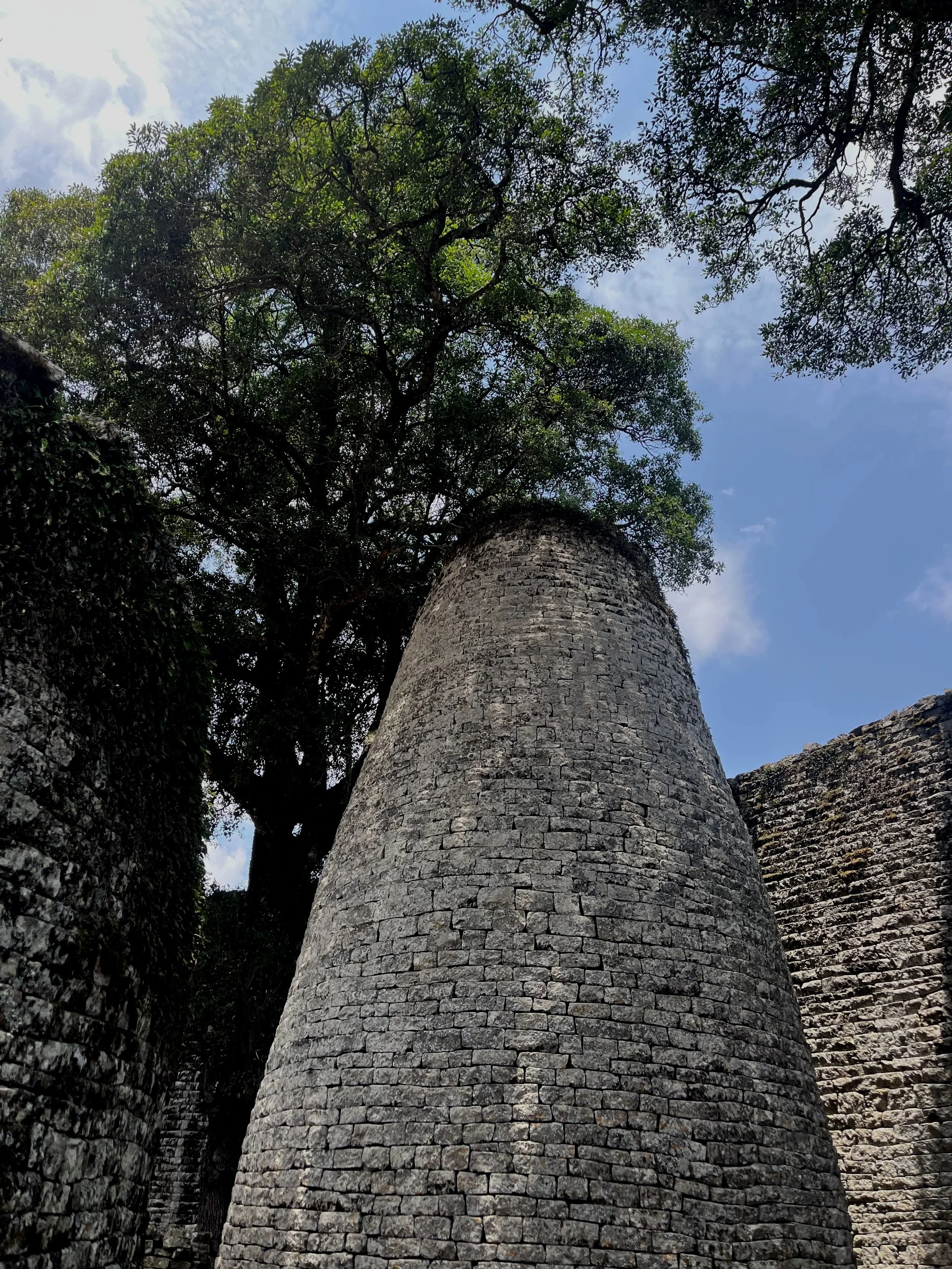
Great work in this field is happening around the world. In fact, the first circle I attended of this kind was held by psychedelic researchers at King’s College London.
What is unique and special about this circle is its intention to be deeply rooted in Zimbabwe. A inquiry threaded throughout the gatherings is: How does this work change and what impact does it leave when it is done here, in relationship with this land and these ancestors?
In this spirit, I am very interested in connecting with local medicine keepers — svikiros, sangomas, and mhondoros. Their ancestral knowledge of the ceremonial use of medicines for healing is deeply welcomed, as we explore how such wisdom might meaningfully serve the world today.
Circles are held monthly in Harare and are offered on a donation basis. Contributions may support several causes: inviting experienced practitioners, medicine keepers or researchers to visit Zimbabwe, and helping subsidise attendance so the work remains accessible to a wider community.
Please note: We are aware of the legal status of psychedelic substances in Zimbabwe. These circles do not offer or sell such substances. We are simply advocates for research, knowledge building, responsible conduct, and the preservation of indigenous wisdom.

“Integration in me is making sense.
Integration in us is making word,
and through word,
a world that makes sense.”